The Mediterranean Diet
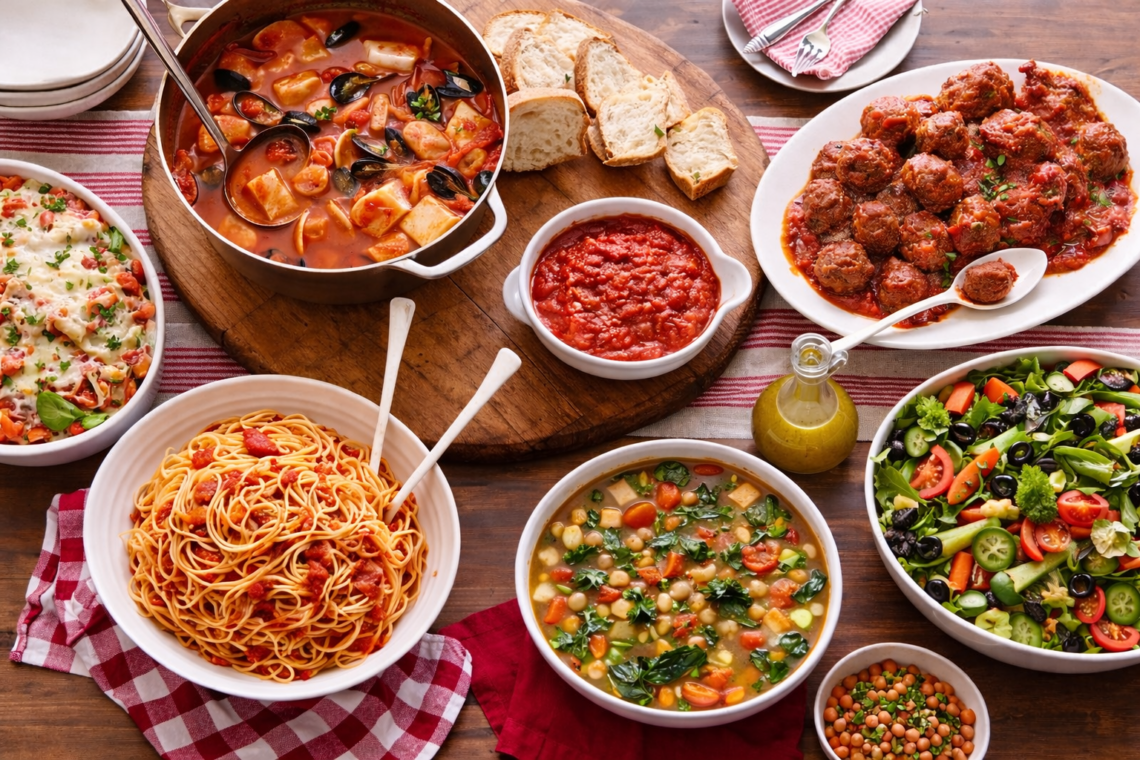
Like many enduring traditions, it was not designed as a health movement, a scientific framework, or a branded nutritional model. It emerged organically over thousands of years, shaped by geography, climate, trade, agriculture, religion, and economic necessity across the lands bordering the Mediterranean Sea. At its core, it emphasises vegetables, fruit, legumes, whole grains, nuts, seeds, olive oil, and regular use of herbs and spices, with moderate amounts of fish, dairy, and eggs, and smaller amounts of meat. Meals are built around variety, seasonality, and simple ingredients, with food seen not only as nourishment, but as part of everyday life and shared culture.
Did you know?
Its roots stretch back to ancient civilisations, particularly those of Ancient Greece and Rome, where food was already structured around what historians often call the “Mediterranean triad”: wheat, olive oil, and grapes. These three staples formed the agricultural, economic, and symbolic foundation of these societies.
It Was Simply a Way of Life
In the mid-20th century, researchers began to observe that populations in Mediterranean regions had lower rates of cardiovascular disease and longer life expectancy. One of the most influential contributions came from Ancel Keys, whose Seven Countries Study highlighted the relationship between dietary patterns and heart health. Since then, the Mediterranean way of eating has been associated with benefits including:
- reduced risk of cardiovascular disease
- improved metabolic health
- anti-inflammatory effects
- support for gut microbiome diversity
The Mediterranean diet is widely recognised as one of the healthiest dietary patterns in the world. Its principles are closely aligned with the recommendations of global health organisations such as the World Health Organization, which promote dietary patterns rich in plant-based foods, healthy fats, and minimally processed ingredients.
For me, this is not just a dietary pattern
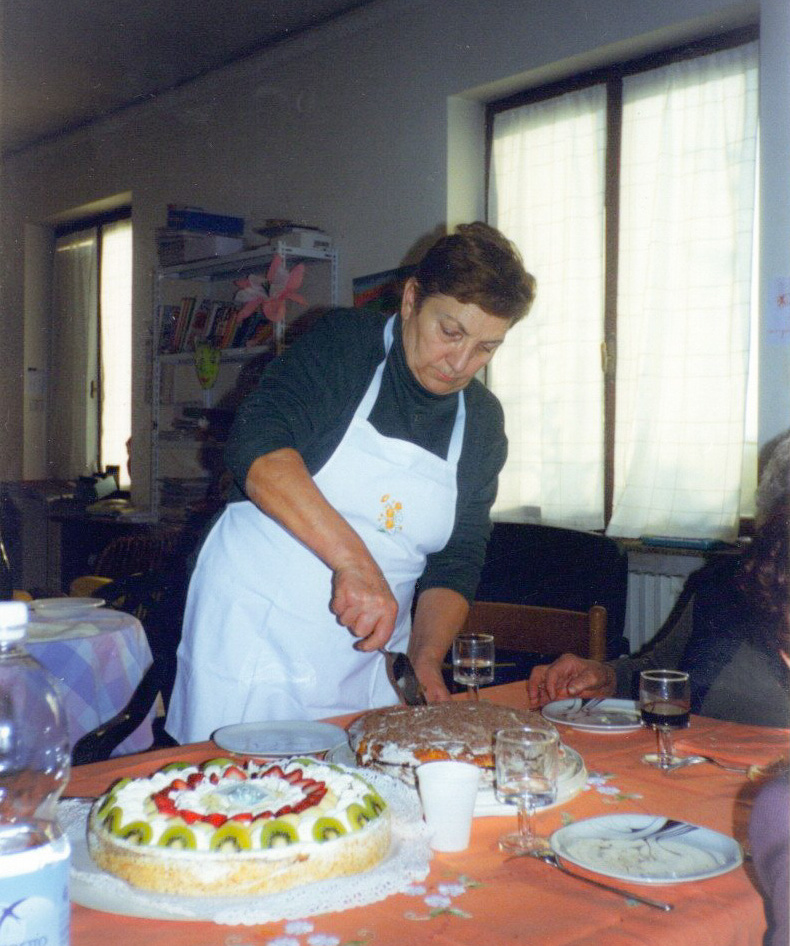
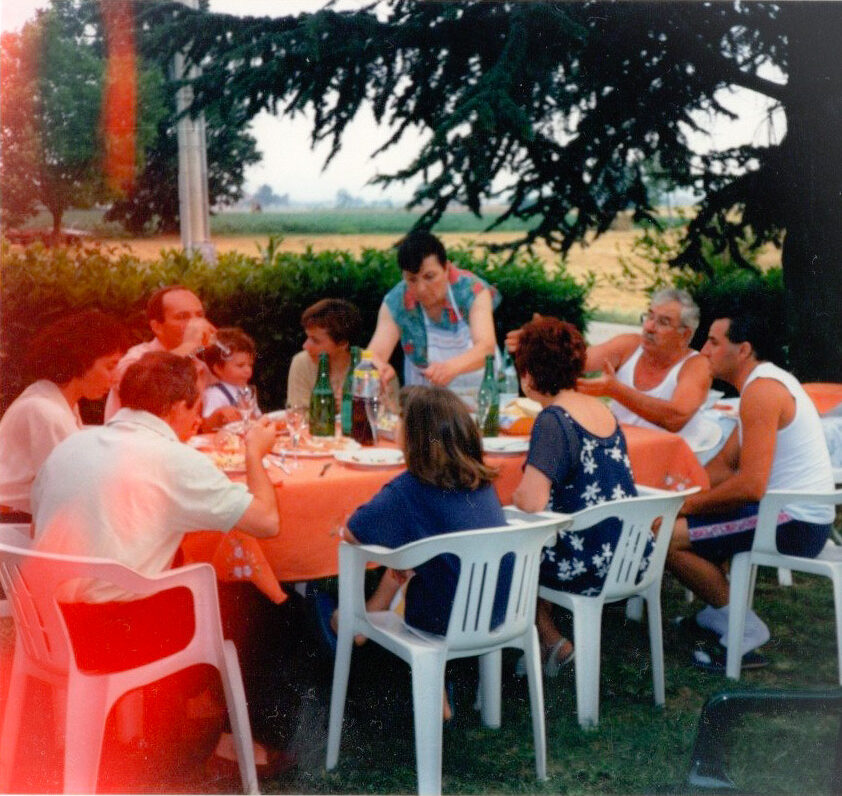
The Mediterranean way of eating was never explained as “nutrition”; it was simply how we lived, every day, without overthinking it. Meals were made with what was available, seasonal, simple, and prepared with care. The table was a place of connection, where food was shared, not measured. There were no strict rules, no labels, no idea of “perfect eating”, just real food, cooked at home, and eaten together. Only later, I begin to understand that what felt so natural growing up was, in fact, deeply nourishing, not only for the body, but for the habits, memories, and relationship with food that stay with us for life.
For me, the Mediterranean way of eating is not a diet I adopted, but a heritage I continue to cook, live, and evolve, a cultural legacy that naturally became the foundation of my approach. Not because it is restrictive or shaped by rules, but because it is simple, sustainable, and naturally rooted in real life. It does not ask for perfection, complicated plans, or special products, only good ingredients, balance, and the kind of consistency that is built quietly over time.
This simplicity is powerful
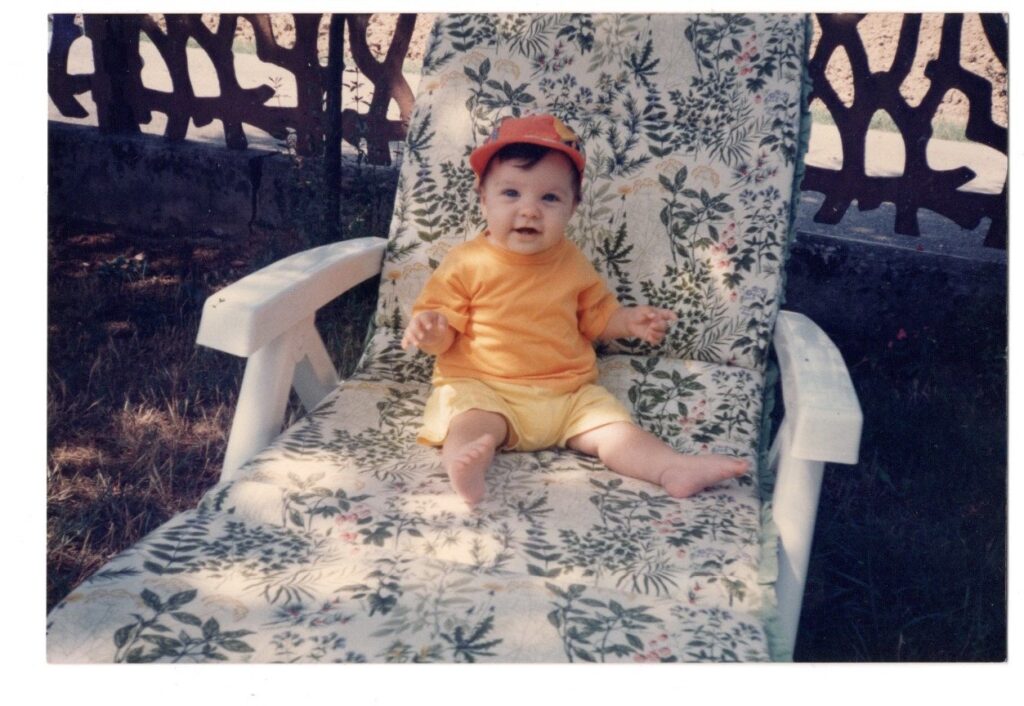
During the first 1000 days, a critical window for growth, development, and long-term health, which I explore more in my article here, nutrition plays a fundamental role. What makes the Mediterranean way of eating so well suited to this stage of life is not that it was designed for modern nutrition goals, but that, as a traditional food culture, it already carries many of the principles we now recognise as important in early life nourishment.
It provides:
- a wide variety of nutrients through whole foods
- balanced meals built around natural ingredients
- early exposure to different flavours
- a foundation for developing healthy eating habits
All within a way of eating that is practical, flexible, and realistic for everyday family life, and in this sense, it is not simply a diet, it is a way of nourishing the entire family from day one. And perhaps this is where its true strength lies: In the end, the Mediterranean diet, is not defined by nutrients, labels, or guidelines, it is found in the meals we prepare, the ingredients we choose, and the moments we share around the table. Because sometimes the most powerful lessons in nutrition are not new discoveries, but old wisdom we are learning to understand again.
In the coming articles, I will guide you step by step through the many layers of this powerful diet, translating both tradition and science into simple everyday choices, and if you’d like an example to start with, have a look at my recipes here, a small taste of how this philosophy becomes real in the plate.
This is not about learning everything at once, but about building something slowly, one bite at a time!
Follow along for weekly Mediterranean-inspired tips, guidance, and recipes.
Thank you for reading and for being part of the Little Brave Celery family, Ciao!

