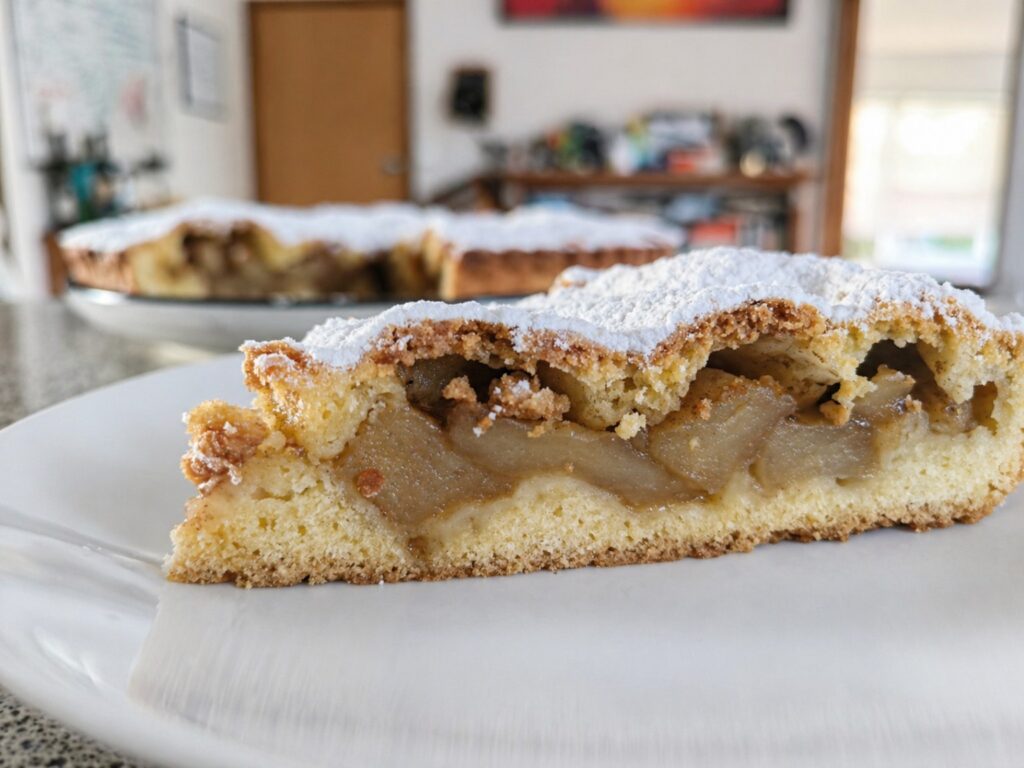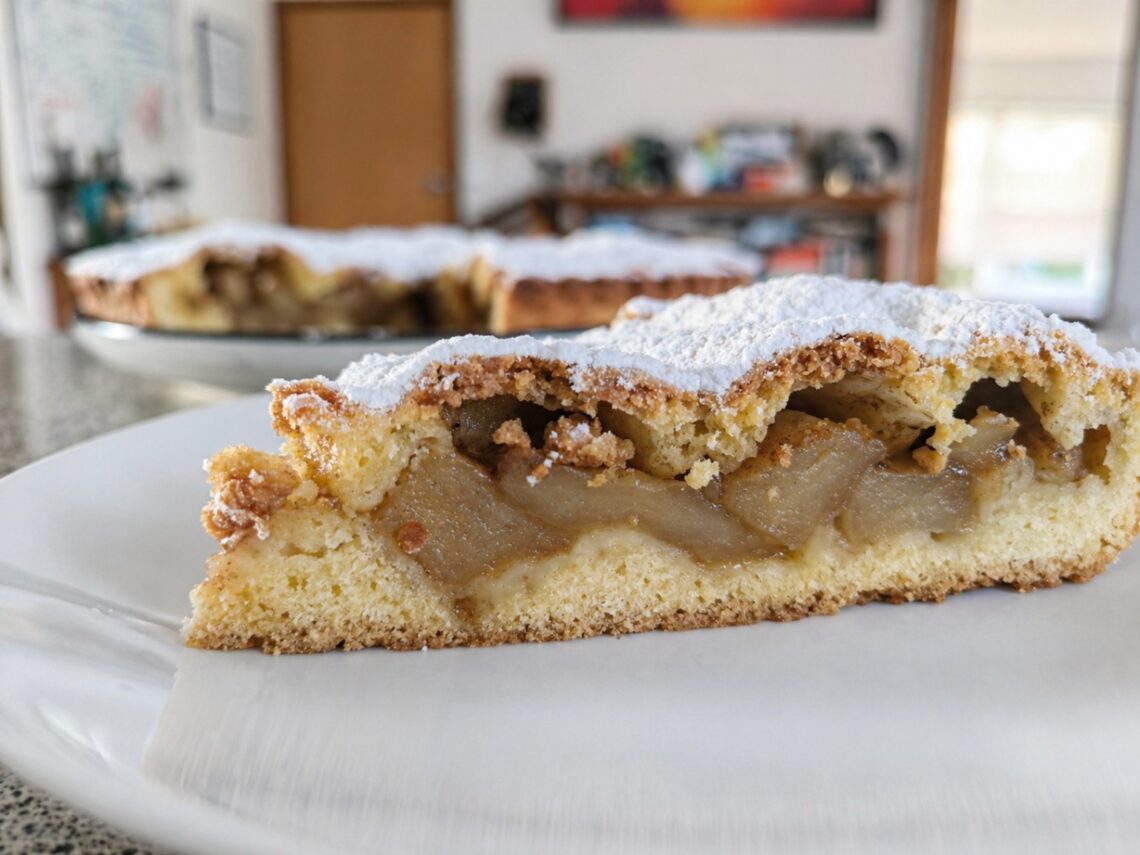
Crostata di Mele
Crostata di mele is not just a recipe I learned, it is a memory I grew up in!
In my childhood, crostata di mele was something we always looked forward to, especially on Sundays. After church, we would gather at my Nonna’s house, where the smell of Sunday lunch filled every room, and somehow, you just knew something sweet would come at the end. I can still picture it on the table, sometimes still slightly warm, sometimes already cut into uneven slices. My grandmother never followed a written recipe, she moved with confidence, measuring by instinct, adjusting by feel, baking the way you do when something has become part of you. Flour, eggs, butter, apples and sugar, that’s all. Nothing complicated, nothing calculated, just enough to bring everything together, to soften the apples and balance the flavours.
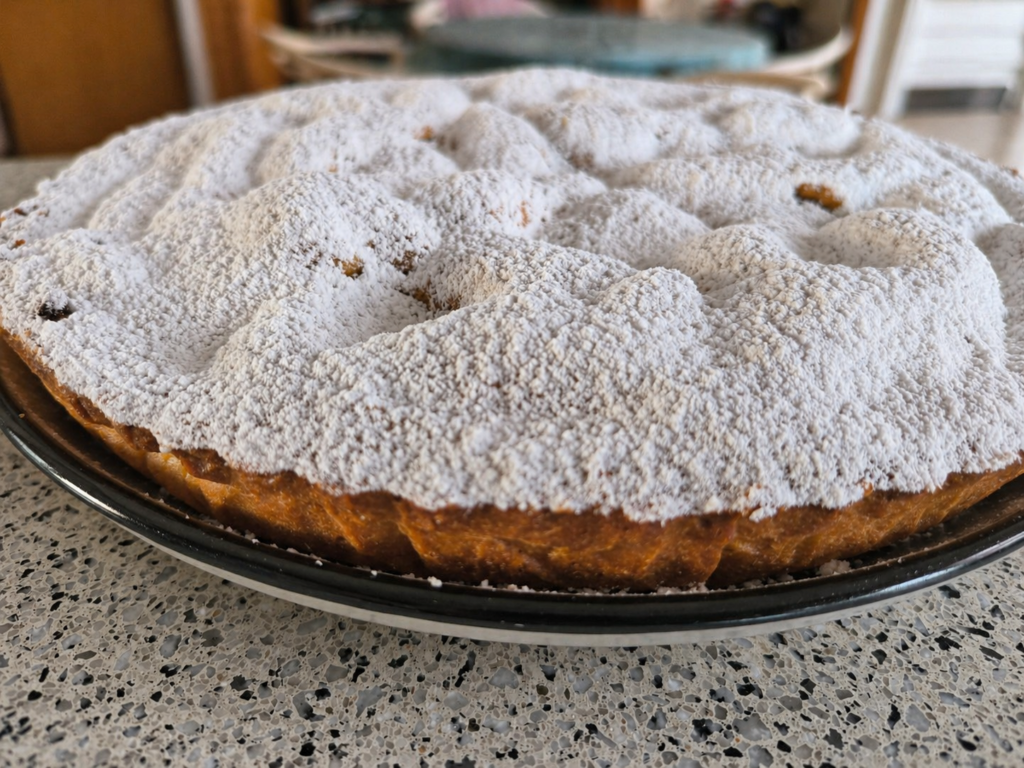
Crostata di Mele was never really “invented.”
It belongs to that world of cucina povera, a way of cooking based on simplicity, practicality, and making the most of what was available. The word crostata itself comes from the idea of a “crust”, a basic pastry made from flour, fat, and eggs, used to hold whatever filling was on hand. Before refined patisserie techniques became common, Italian households relied on simple doughs similar to what we now call pasta frolla, these preparations were not about presentation, but function: they were simple to make, adaptable, and, of course, delicious. Apples played an important role, particularly in northern regions of Italy where the climate supported their cultivation. Unlike more delicate fruits, they could be stored for longer periods, making them a reliable ingredient when fresh produce was less available. At the same time, crostata was often made with marmellata. Preserving fruit as jam was one of the most common ways to extend the life of seasonal produce, especially from the warmer months into winter and the rest of the year. When fresh fruit was available, it was used, when it wasn’t, jam became the natural alternative. For this reason, many of the most traditional versions of crostata in Italy are made with jam; apricot, orange, plum, mixed berries, or blueberry.
There has never been a
single “correct” version.
Recipes varied from family to family: some added lemon zest, others cinnamon; some cooked the apples first, others used them raw. Sugar was present, but in small amounts, not as the main element, but to support the natural flavour of the fruit. The result was a dessert that felt balanced, never overly sweet, and consistent with the broader way of eating it belonged to. Over time, crostata di mele became a symbol of home baking in Italy, not something exceptional, but something familiar, shared during family meals and moments of gathering.
From a nutritional perspective, crostata di mele fits naturally within the principles of traditional Mediterranean eating: seasonal ingredients, minimal processing, and balance. Even as a sweet preparation, it exists within a context where desserts are occasional and moderate, alongside a diet rich in vegetables, legumes, grains, and healthy fats.
Sugar is often talked about as if it were a single, clear-cut problem, but in reality it is much more nuanced. At its core, sugar is simply a carbohydrate, a source of energy, found naturally in foods like fruit and milk, and also added to recipes or products in many different forms, from caster sugar to honey, maple syrup, or dates. Chemically, these sugars are very similar. What truly matters is how they are used, how often they are consumed, and the context in which they appear. Understanding sugar, therefore, is not about labelling it as “good” or “bad,” but about recognising its role within the whole diet, and how everyday choices shape habits, preferences, and long-term health.
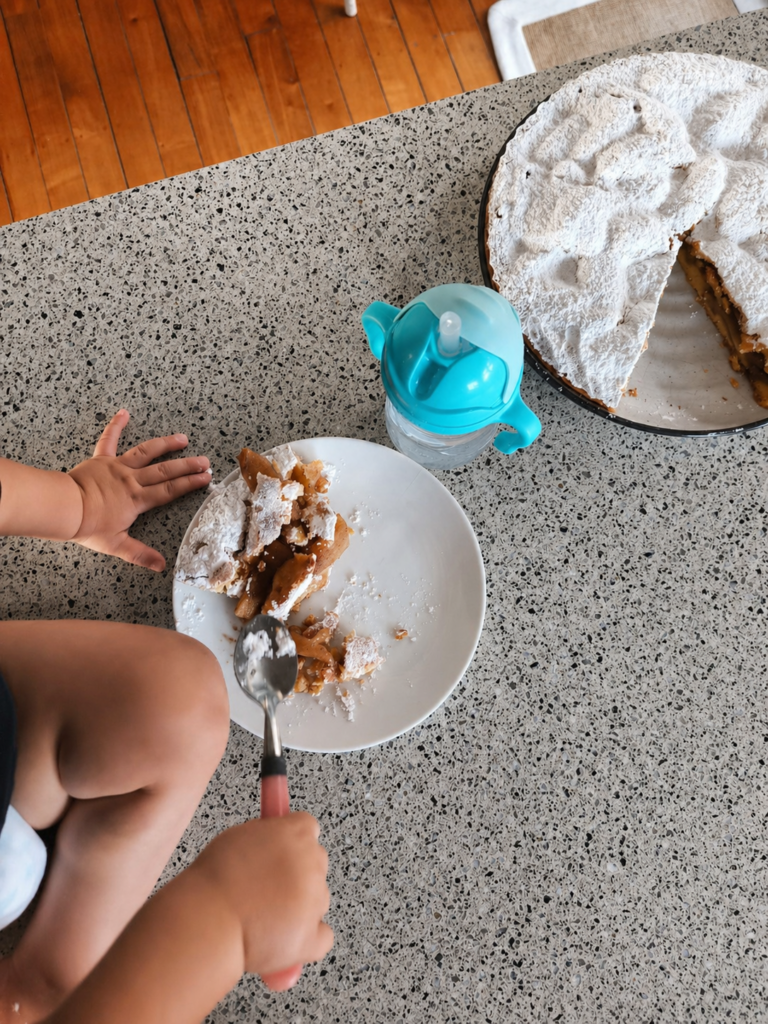
For young children, including toddlers, this context becomes especially important. Early exposure to simple, home-prepared foods, even those that include small amounts of sugar, helps shape taste preferences and build a balanced relationship with food. A homemade crostata, made with real ingredients and fruit as the main component, is very different from ultra-processed sweets. It offers flavour, texture, and familiarity, without overwhelming the palate with excessive sweetness. And beyond the ingredients, there is the experience. For a child, baking a crostata with a parent or grandparent, hands in the dough, waiting by the oven, the smell filling the house, is one of those simple moments that carries lasting meaning.
During pregnancy and the postpartum period, nutritional needs increase while energy, sleep, and time often decrease. In this context, simple, home-prepared foods that are both nourishing and comforting can play an important role. Preparations such as baked apples, compotes, or a simple crostata reflect this balance. They provide carbohydrates, fats, and, when made with eggs, a small contribution of protein and essential nutrients. After long nights of interrupted sleep, especially in the postpartum period, the body often benefits from foods that are easy to eat, familiar, and emotionally satisfying. In this sense, a slice of crostata is not just a sweet food, but a practical example of how nourishment and comfort can coexist.
And of course, not everyone has the time or energy to bake during these demanding stages of life, and that is part of the point too. Sometimes, this is where others step in, a partner, a family member, a friend. A homemade crostata brought to a new mother is more than a dessert; it is an act of care. In this way, crostata di mele brings together the beginning of a new life with tradition, nourishment, and a little shared sweetness. It reflects an approach to eating where even sweet foods have a place, not as daily staples, but as part of a realistic, sustainable, and culturally rooted way of nourishing both children and adults.
Mani in pasta, it’s time to cook!
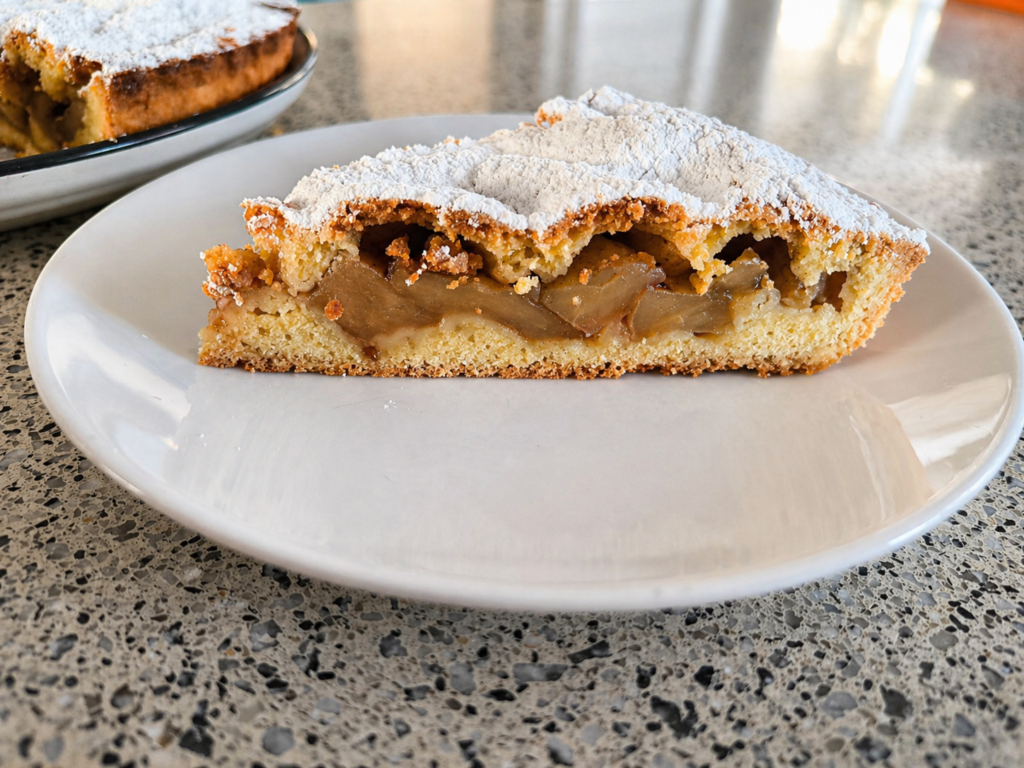
Let’s start with the base… Pasta Frolla.
Making a good pasta frolla is one of the foundations of Italian home baking. It is a simple dough, but not a careless one, small details make the difference between a pastry that is soft and crumbly, and one that turns out hard or dry. There are many variations, some made without eggs, others using only yolks, some richer in butter, others lighter. In this recipe, I am sharing the pastry I personally use for Crostata di Mele, simple, balanced, and reliable.
For about 1kg of pasta frolla:
- 420 g plain flour
- 80 g corn flour
- 200 g butter
- 150 g caster sugar
- 2 medium eggs
- 3 egg yolk (save the whites for a nice high protein breakfast, nothing goes to waste!)
- 1/2 teaspoon of baking powder
- pinch of salt
- Vanilla or lemon zest (depending on preference)
Recipe Instructions:
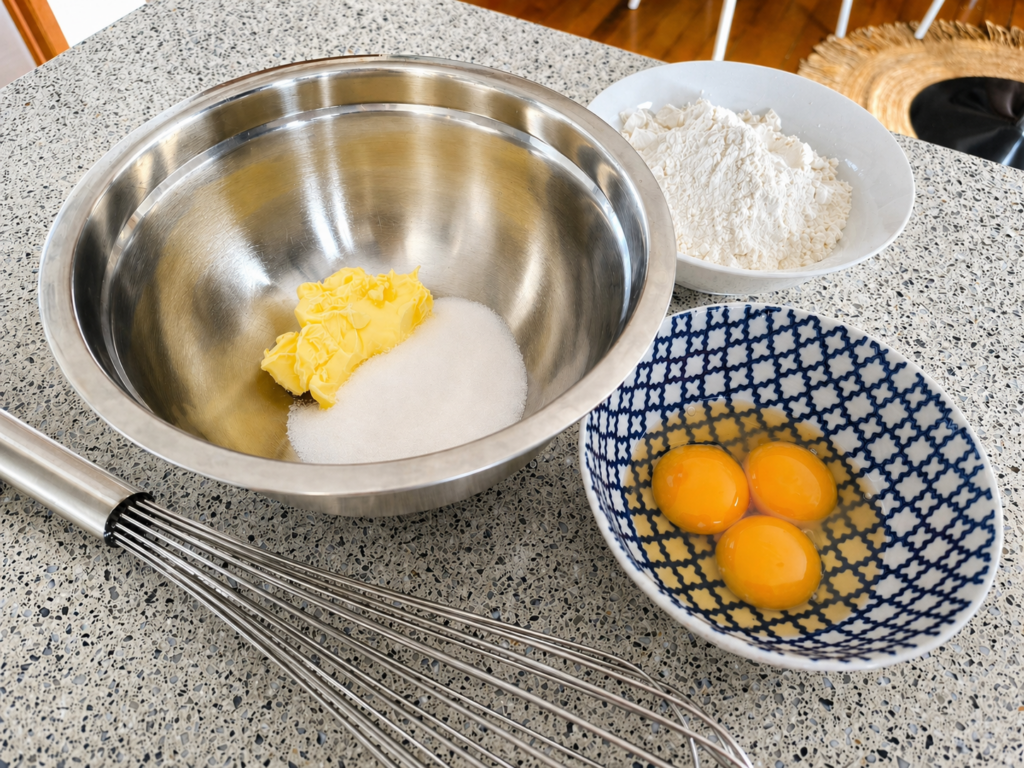
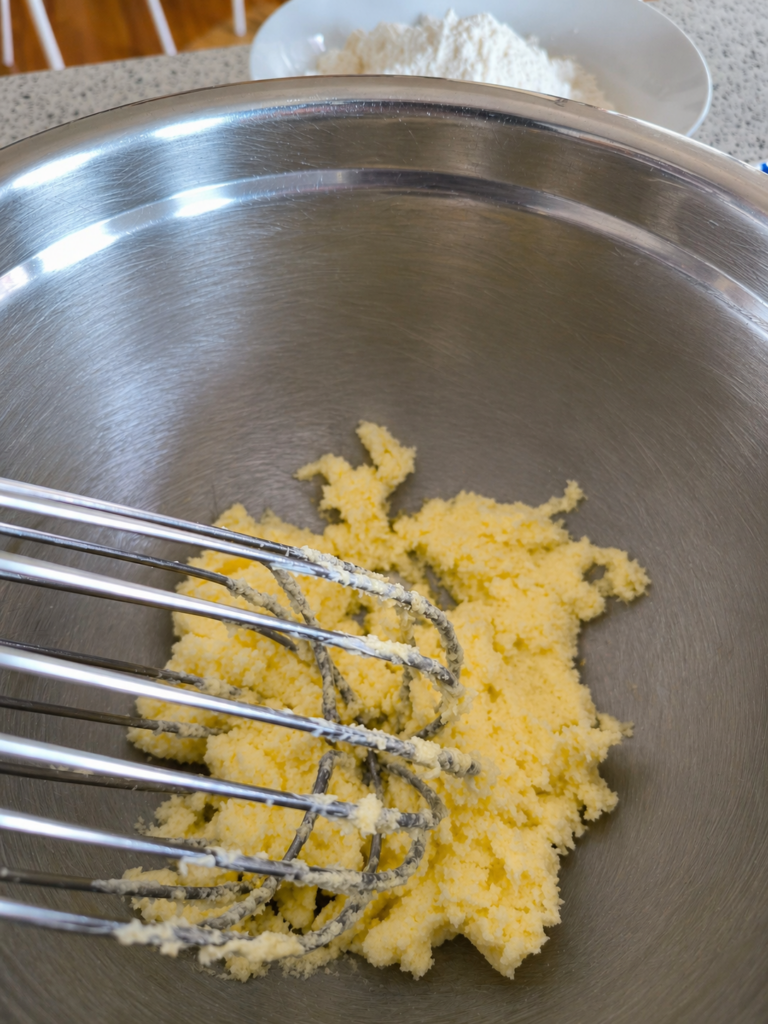
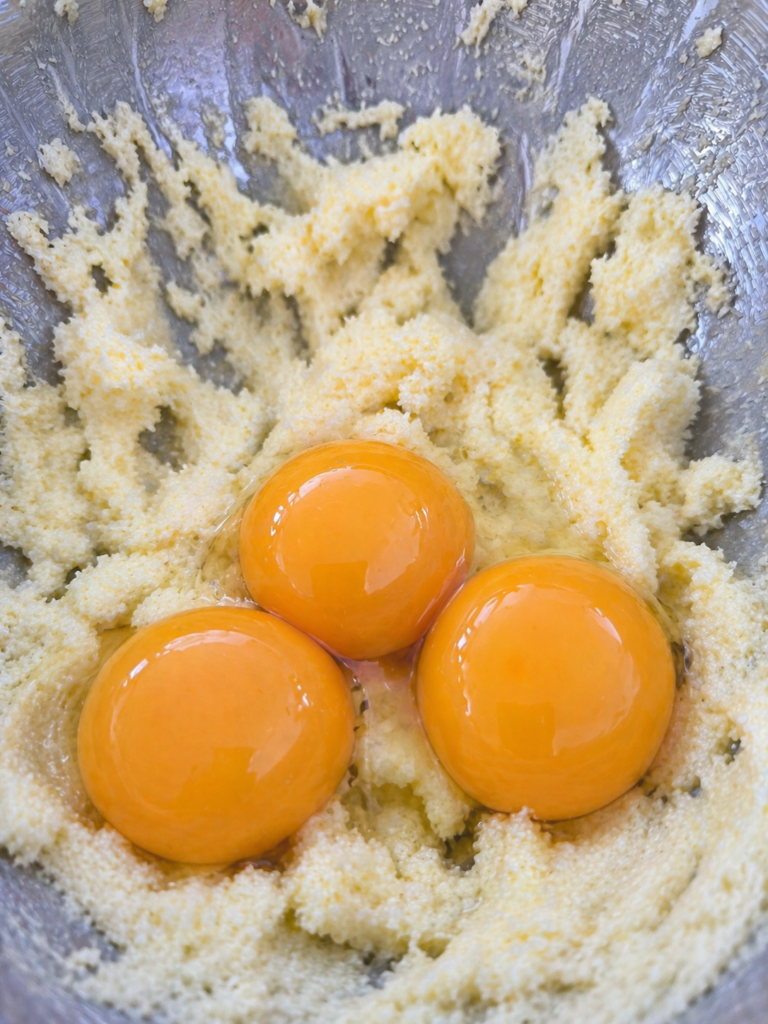
- Prepare the dough: To make pasta frolla using the classic method, start with butter that is soft but still slightly firm, not melted. Cut it into small cubes and place it in a bowl. Add the sugar and a pinch of salt, then mix until smooth and creamy. You can do this by hand or with a mixer.
- Add eggs and flavouring: Add the eggs and mix again. If using vanilla or lemon zest, this is the moment to add it. Don’t worry if the mixture doesn’t look perfectly smooth, that’s completely normal.
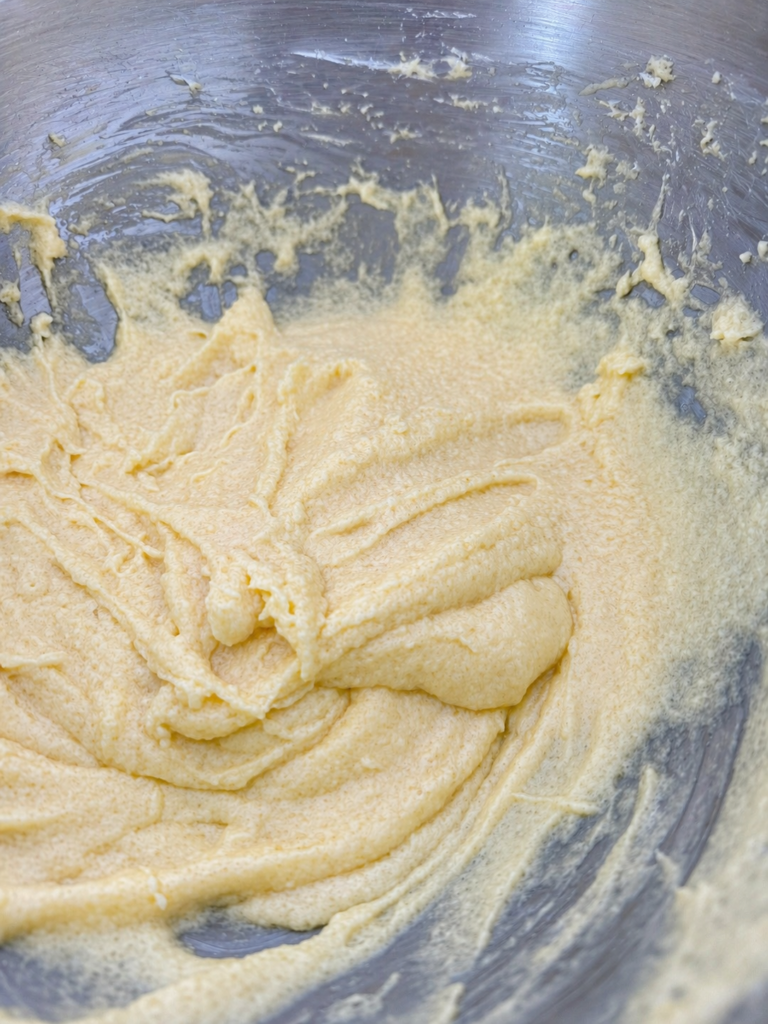
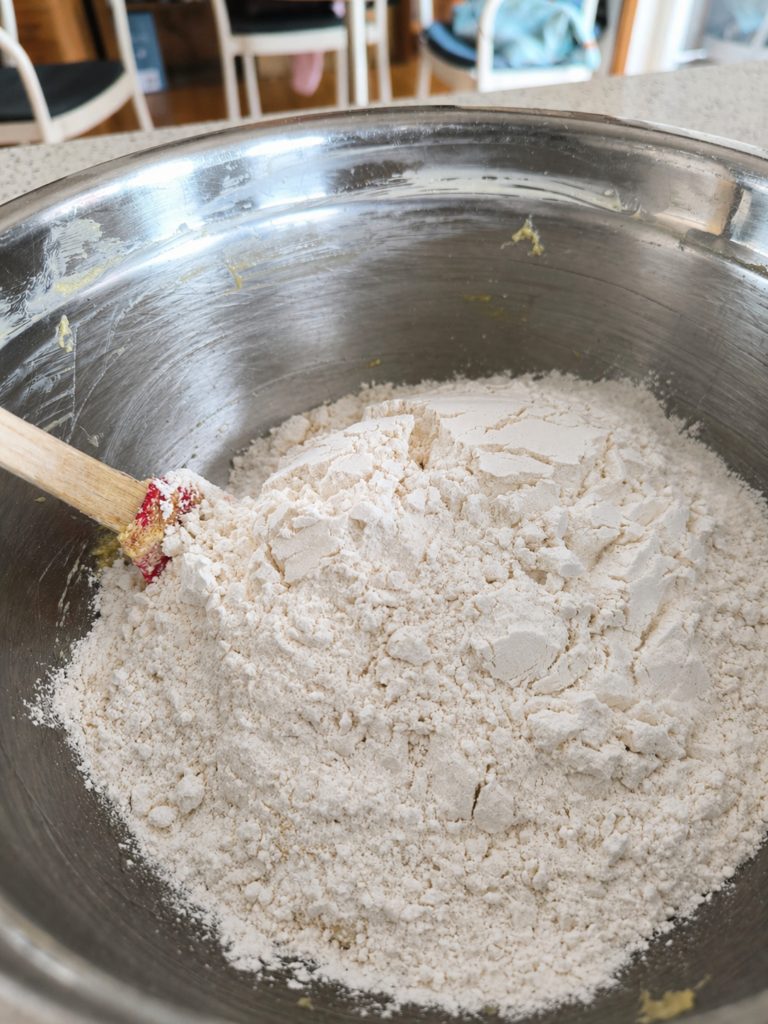
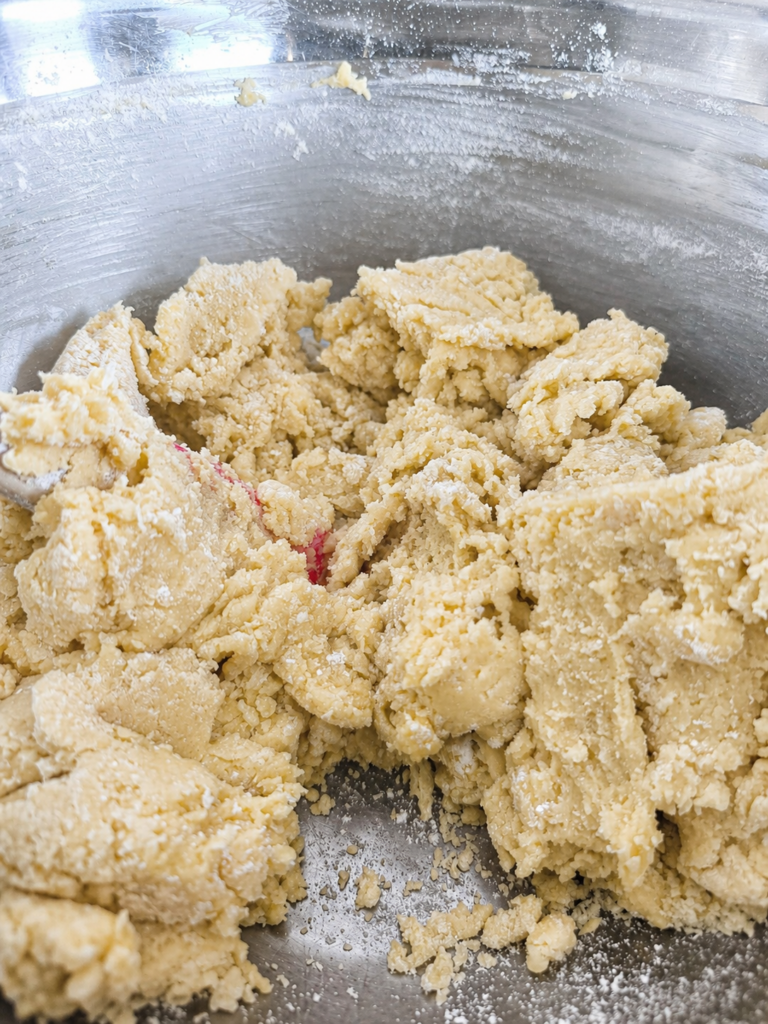
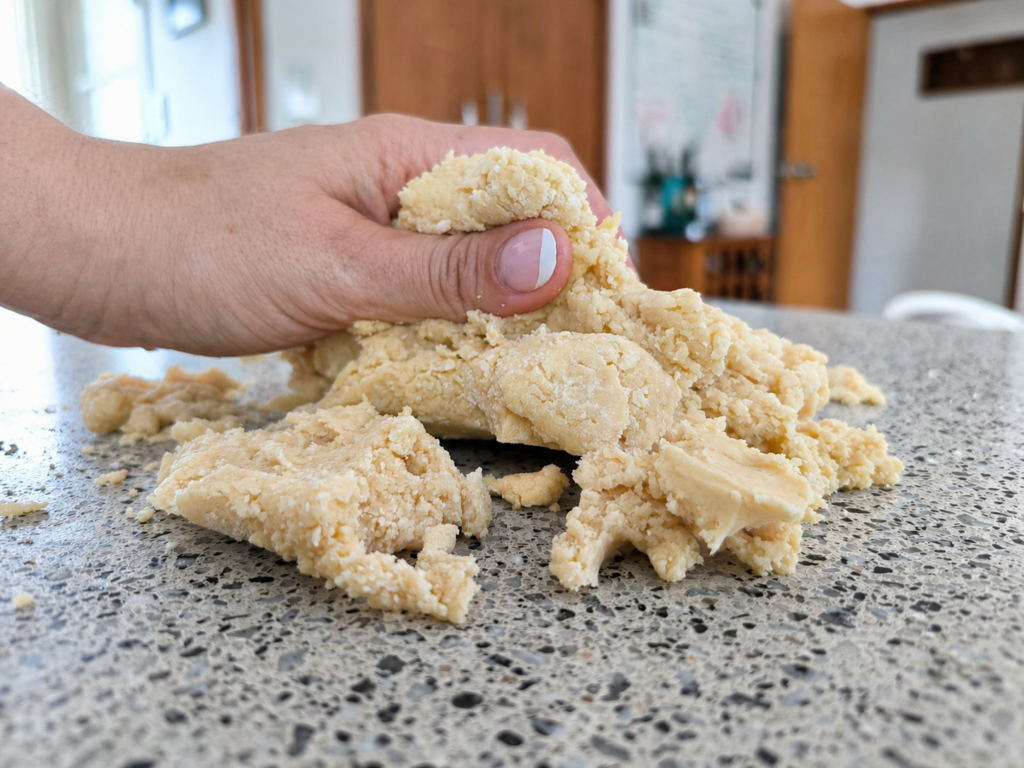
- Incorporate the flours: Add the flour and corn flour all at once, then bring the dough together gently with your hands or a spatula. Work quickly, just until the mixture comes together into a dough.
- Bring the dough together: Transfer the dough onto a work surface and knead briefly, just until smooth and uniform. Avoid overworking it too much mixing develops gluten, which will make the pastry tough instead of crumbly.
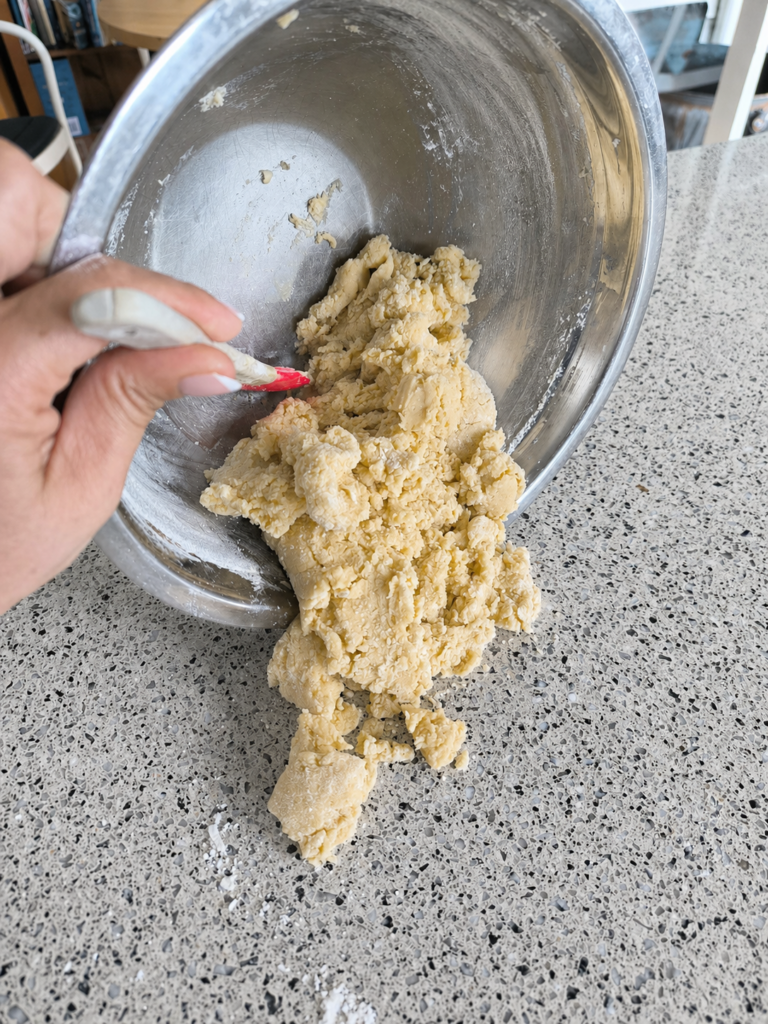
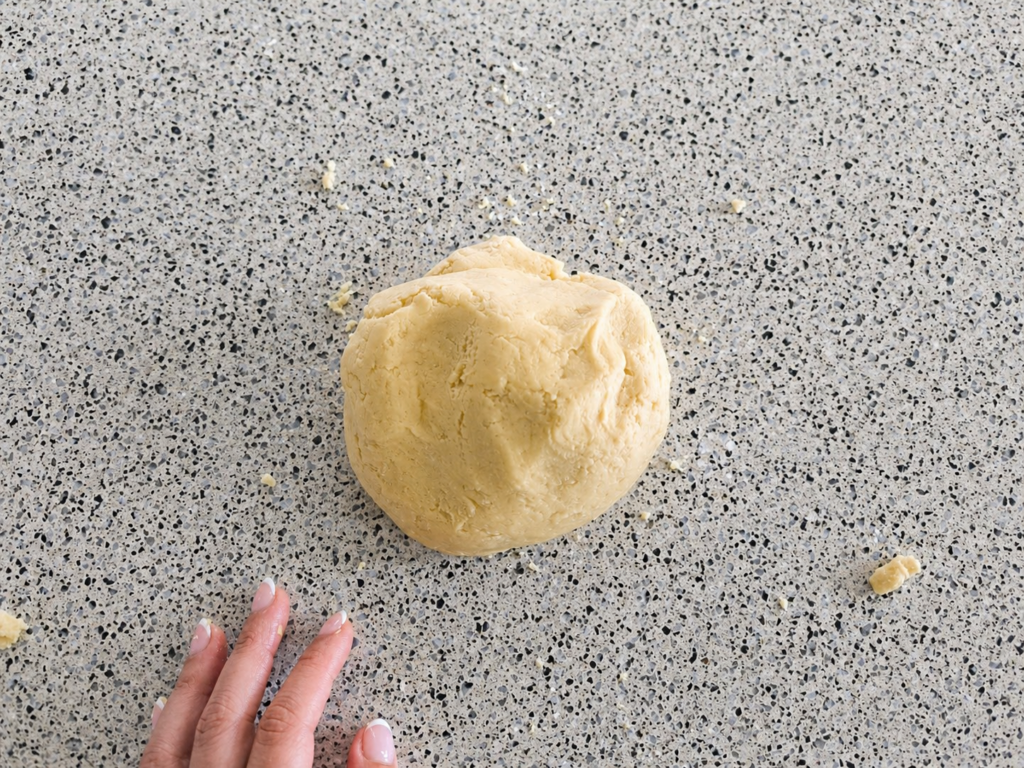
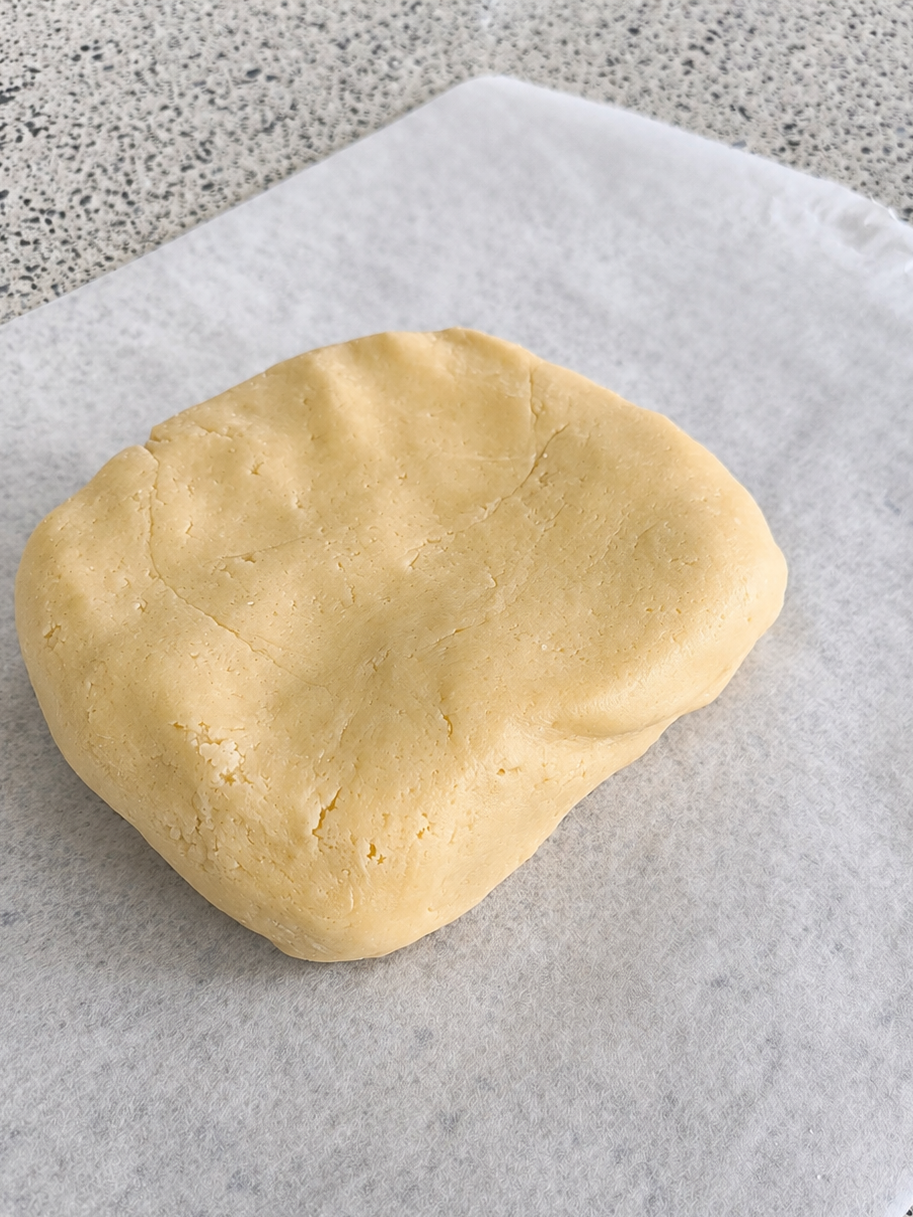
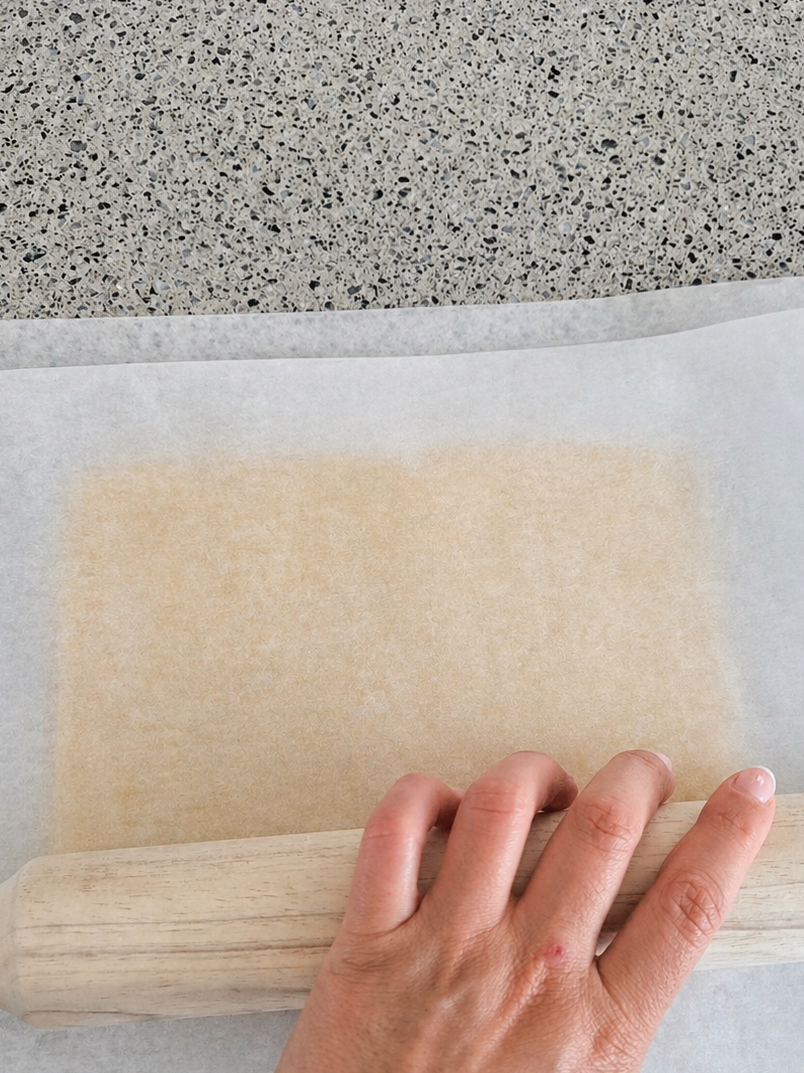
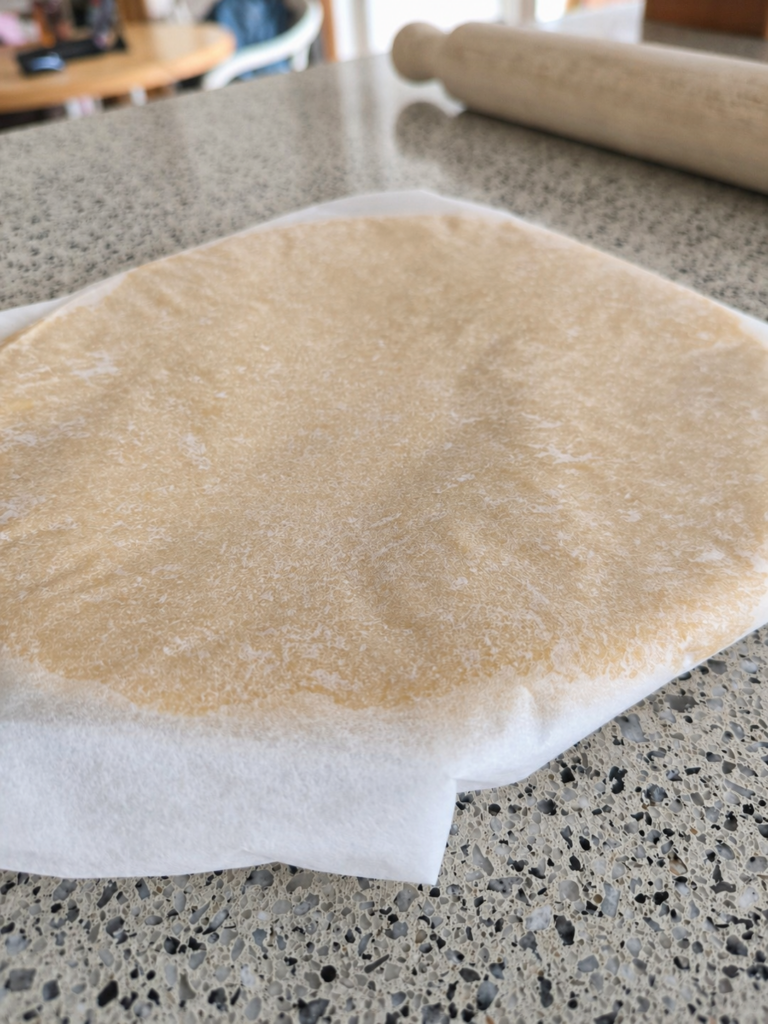
- Let it rest: Shape the dough into a flat disc, wrap it, or place it between two sheets of baking paper and gently roll it out. Let it rest in the fridge for at least 1 hour. This step is essential, it relaxes the dough and makes it easier to handle.
Now let’s move on to the filling:
For the filling:
- 900–950 g of apples (Golden apples work particularly well here, as they become soft and naturally sweet when baked. You can also mix varieties if you prefer a slightly firmer texture.)
- 80 g of brown sugar
- juice of one lemon
- Cinnamon or Vanilla (depending on preference)
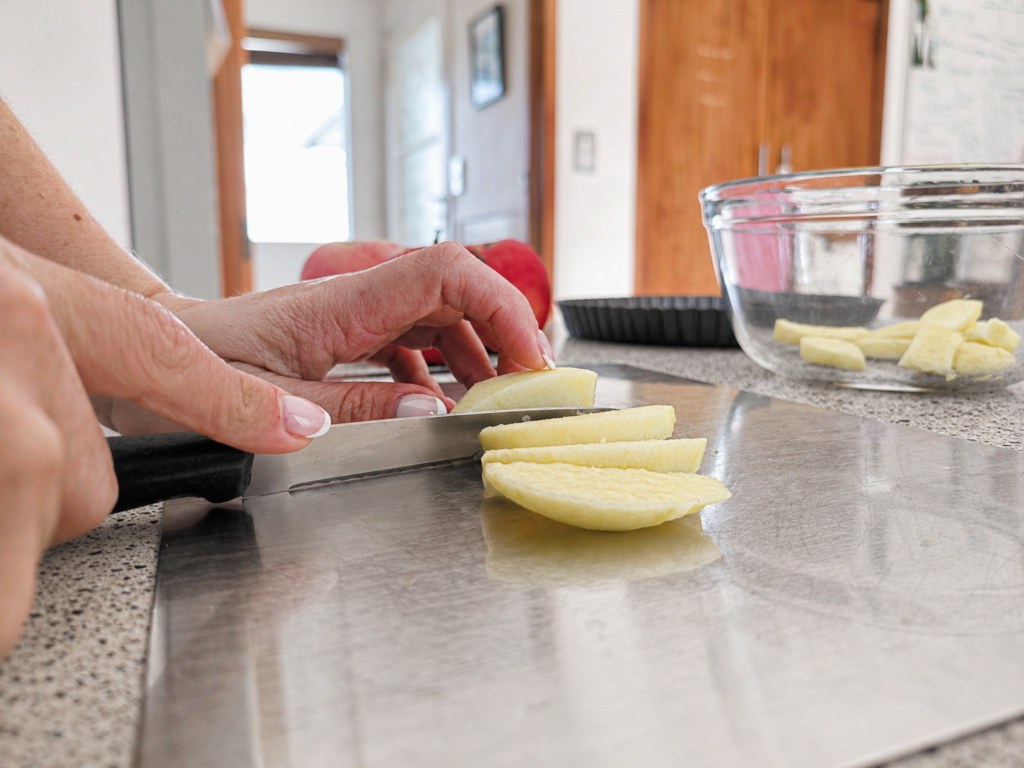
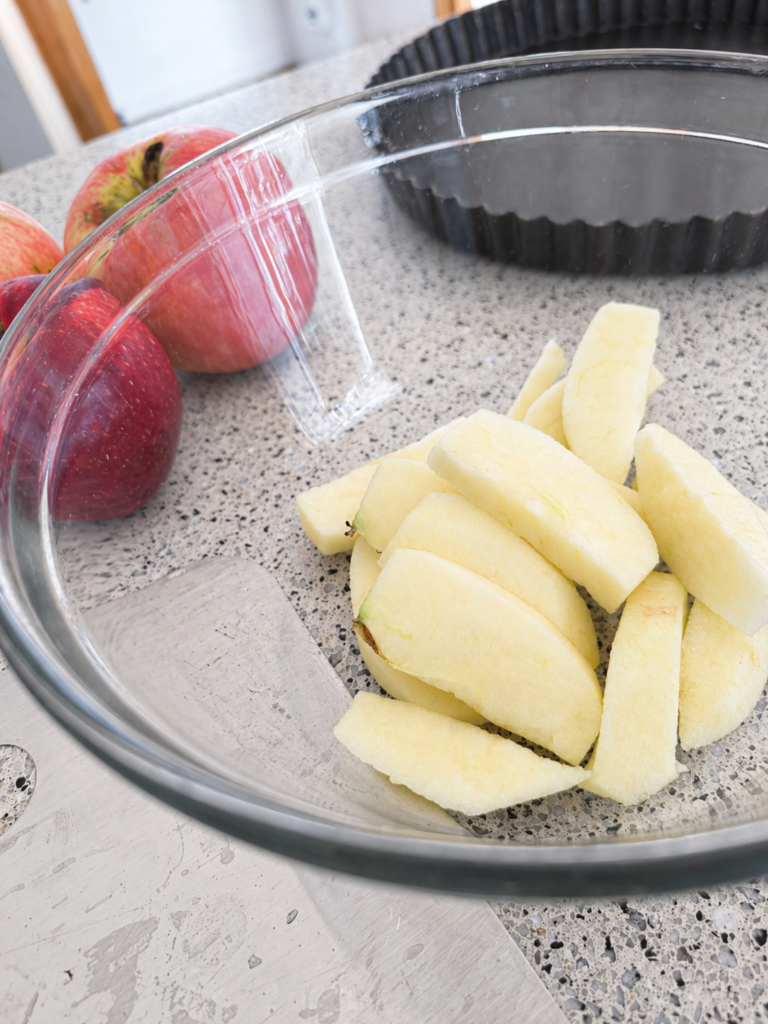
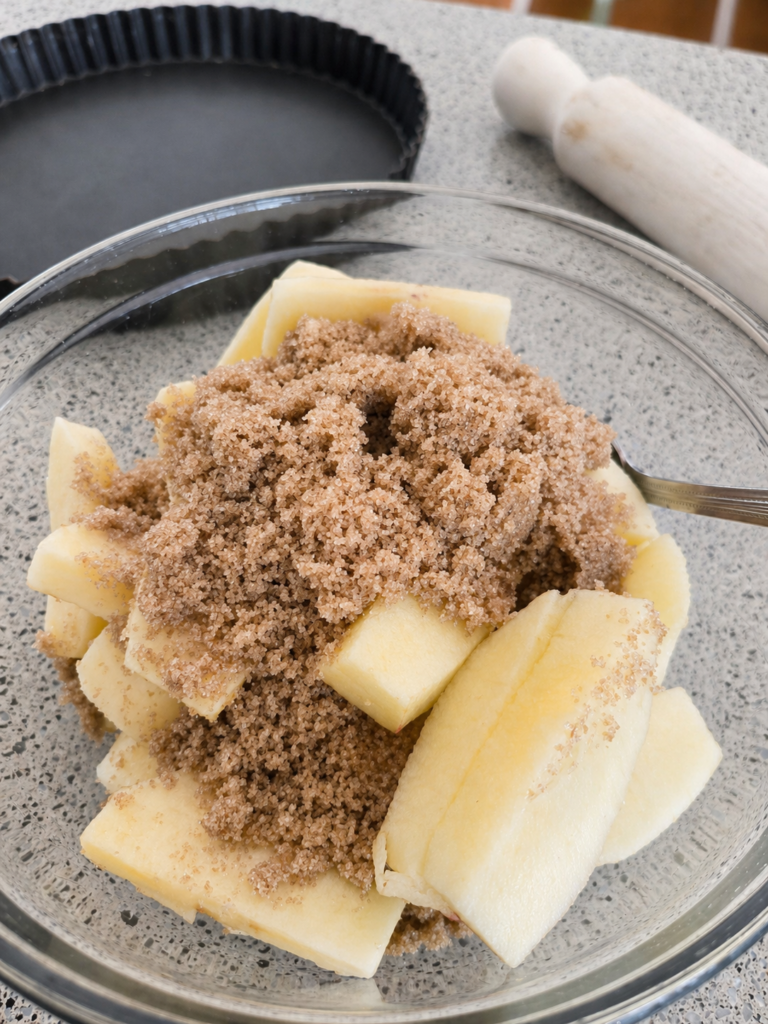
- Prepare the apples: Peel and slice the apples, then place them in a bowl. Add the juice of one lemon and the brown sugar, mix gently. If you like, add a little cinnamon or vanilla, as much or as little as you prefer, but just enough to gently warm the flavour without overpowering the apples. Let the apples rest for a few minutes. They will begin to soften slightly and release their juices.
Small tip: Slice the apples not too thin and not too thick, thin slices will disappear as they cook, while thicker ones may stay too firm. About 3-4 mm thick.
Assemble the crostata:
- Divide the dough into two parts: Roll out the first portion to about 4–5 mm thickness (roughly half the thickness of your finger), then place it into a 26–28 cm tart tin, pressing it gently into the base and sides. Lightly prick the base with a fork.
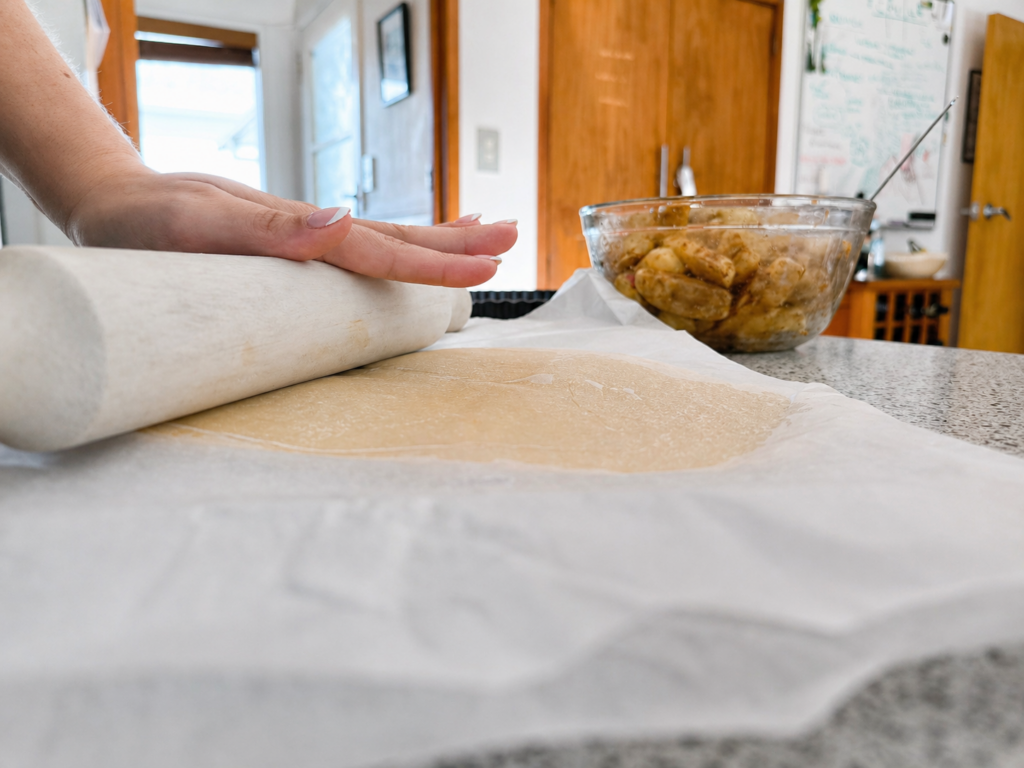
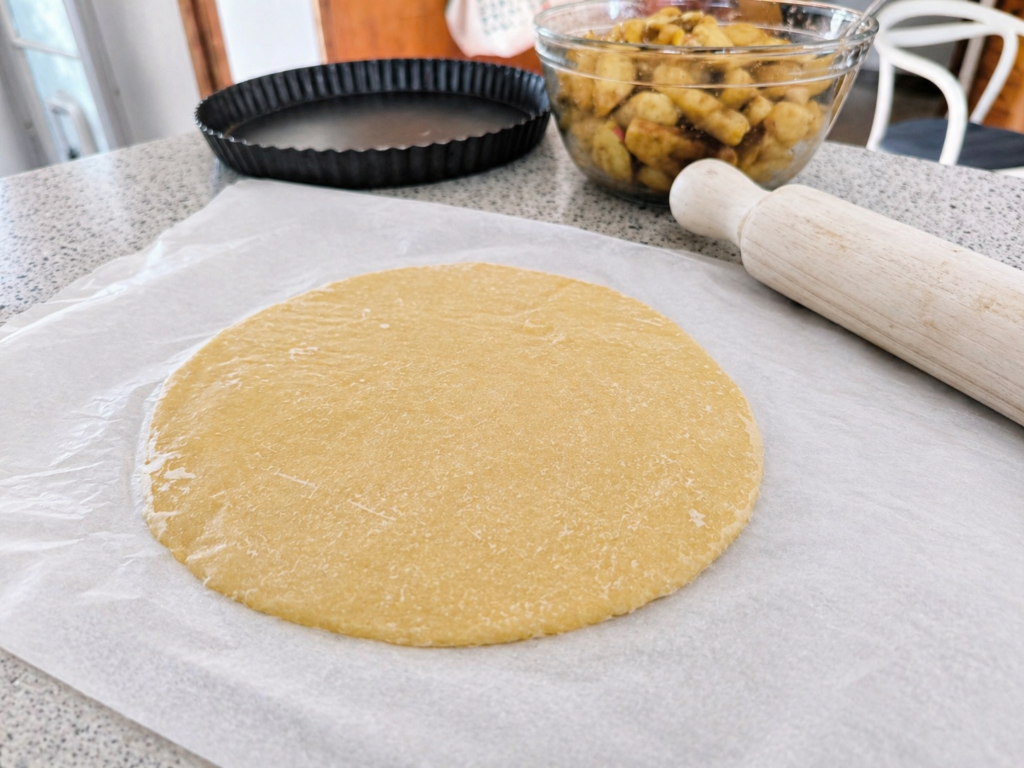
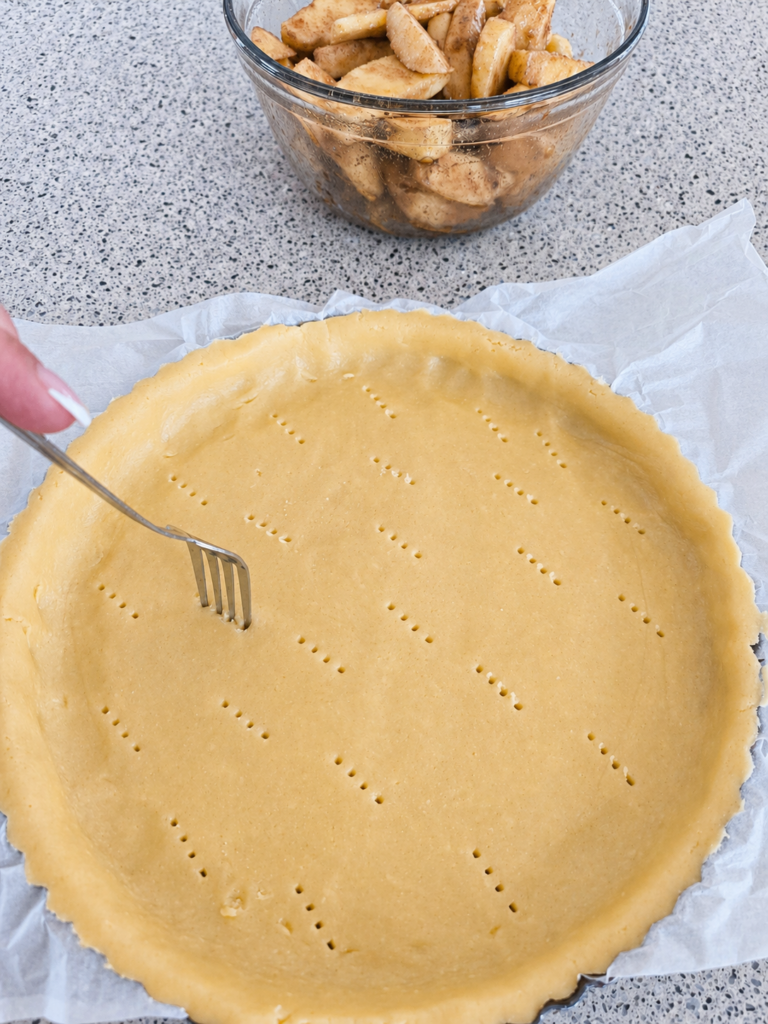
- Add the apples and spreading them evenly.
- Close the crostata: Roll out the second portion of dough to the same thickness and place it on top. To seal the crostata, you can gently pass a wooden rolling pin over the edges to trim away any excess dough, then press the border with a fork to seal it and create a simple decorative pattern.
If you like, make a few small cuts on the surface to allow steam to escape.
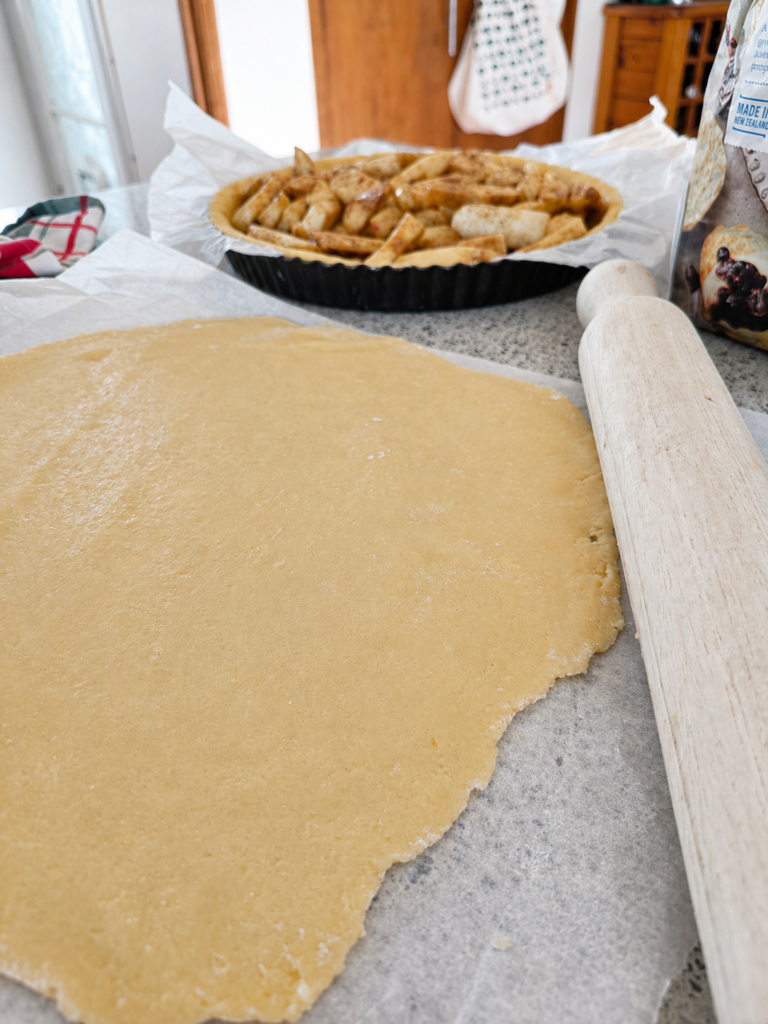
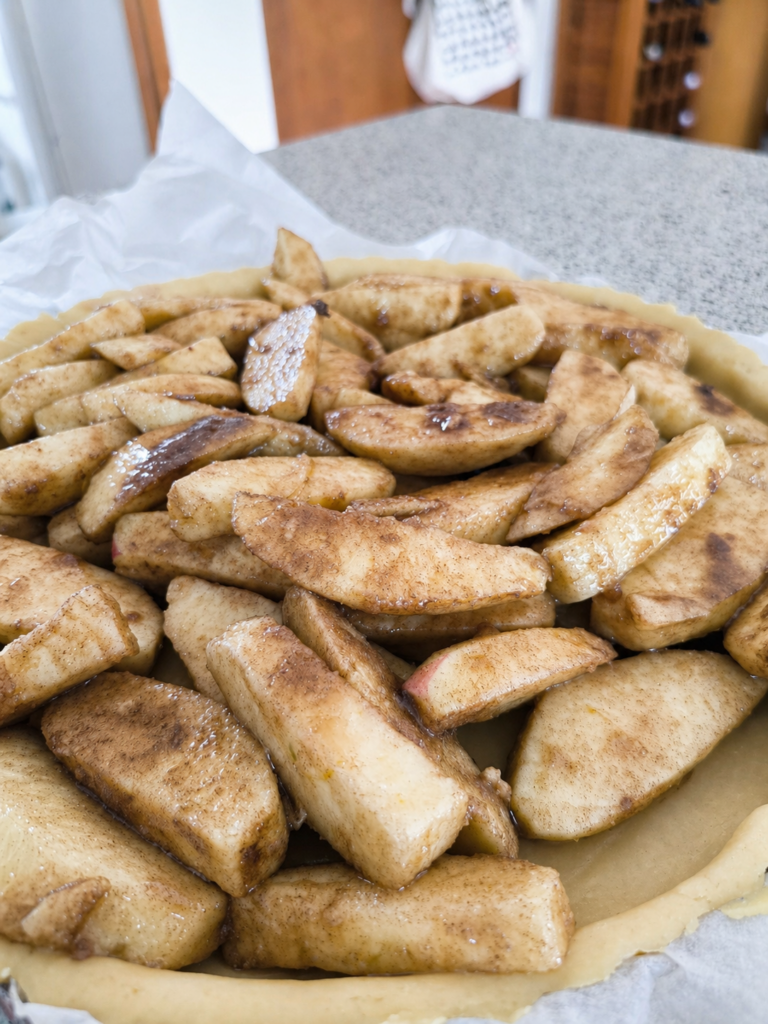
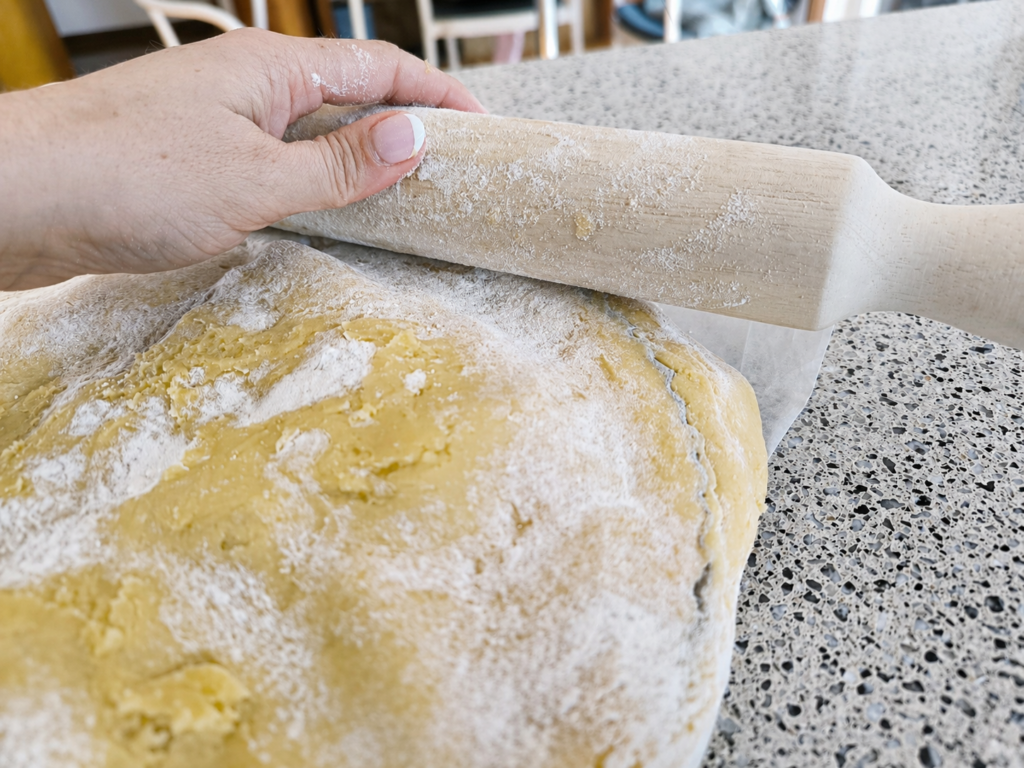
Small tips: If you feel inspired, you can use the leftover dough to create simple decorations on top, small leaves, or flowers. It is a nice way to personalise your crostata. Any remaining dough can be wrapped and kept in the fridge for up to 2–3 days, or frozen for later, ready to become another tart or a few simple biscuits. Keep them plain, or add what you have at home, a little cinnamon, some raisins, chocolate chips, or chopped dried fruit, even a small spoon of jam pressed into the centre works beautifully for simple tea biscuits. There’s no need to be precise here: Just shape them, bake them, and see what you like. If the dough changes slightly in colour after resting in the fridge, or develops small darker specks, don’t worry, this is completely normal and does not affect the final result.
Bake the Crostata di Mele:
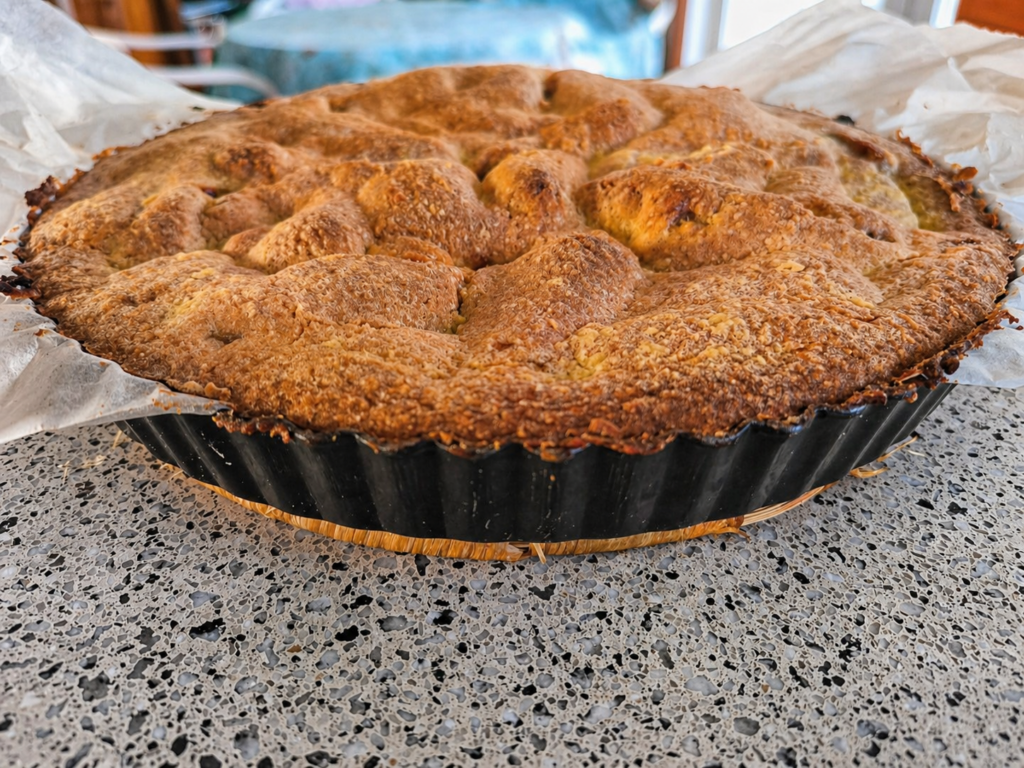
Bake in a preheated oven at 180°C for 45–50 minutes, until golden. Let it cool for at least 20–30 minutes before cutting, this allows the filling to settle and makes it much easier to serve. And if you want a truly Nonna-style approach, bake it the night before, or in the morning for the evening. Like many traditional homemade desserts, it often tastes even better after resting, when the flavours settle and the pastry softens slightly.
There are countless versions of this traditional “Nonna” tart, you can adapt the pastry, change the filling and make it your own, but the essence never changes.
It is timeless, comforting, and simply delicious. A simple reminder that balance also means making space for something sweet, one bite at a time!
Follow along as we explore simple, nourishing food, made to be shared and enjoyed.
Thank you for reading and for being part of the Little Brave Celery family, Ciao!